
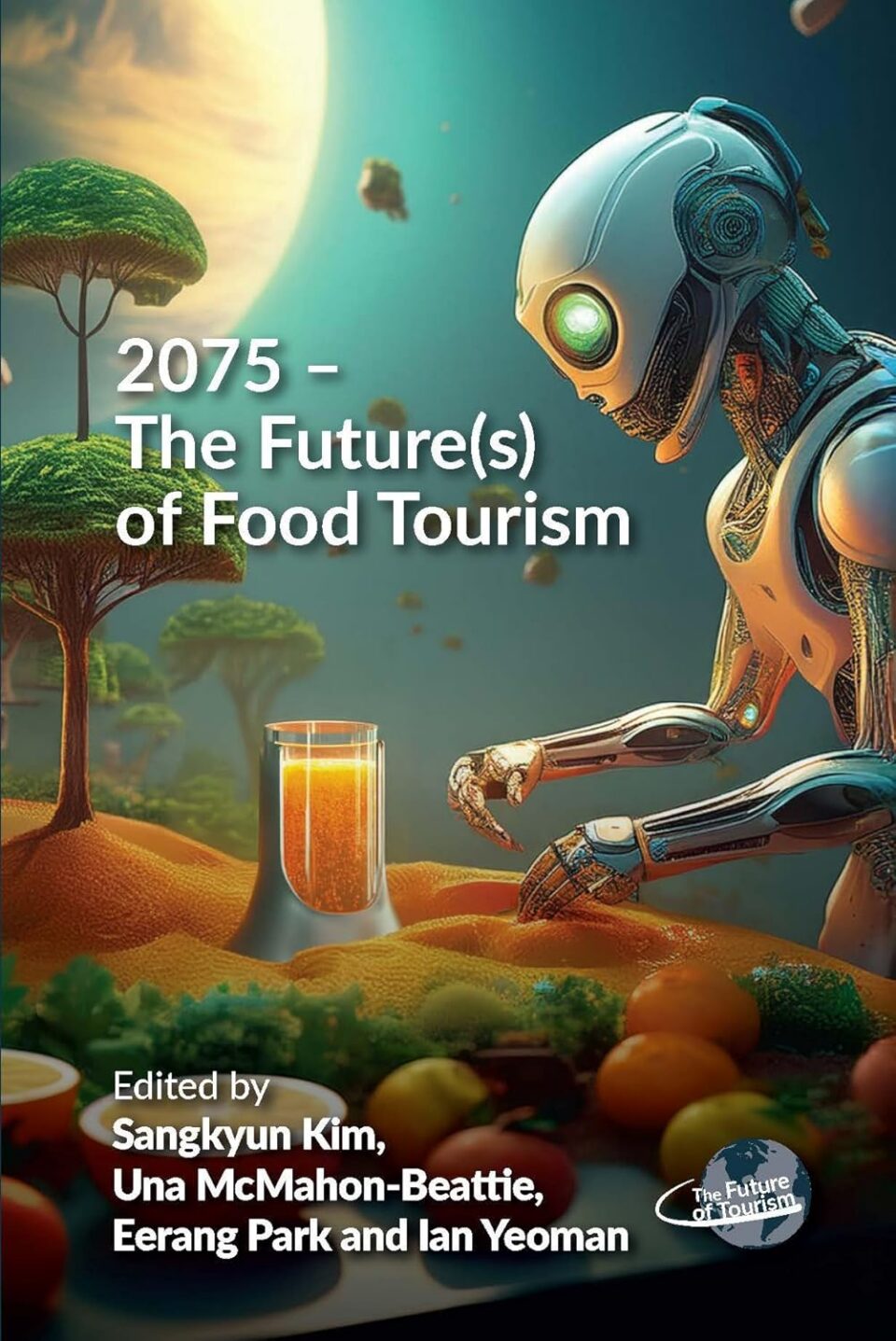
🍽️ 2075 – The Future(s) of Food Tourism: A Groundbreaking Exploration
🔍 Introduction to a Visionary Work
🌍 The book 2075 – The Future(s) of Food Tourism from The Future of Tourism series, volume 12, embarks on a captivating journey into the multifaceted future of food tourism beyond the mid-21st century. Published by Channel View Publications and slated for release on May 13, 2025, this volume boldly explores the evolving dynamics of food tourism amidst global challenges such as climate change, shifting food supply paradigms, and changing dietary preferences.
📚 With a hefty 521 pages and comprehensive 11.1 MB digital file size, this book dives deep into future scenarios applying robust scenario planning techniques to food tourism — a niche but rapidly growing segment of the experience economy. As food tourism cements itself as a central pillar of cultural and economic exchange, this work brings clarity into uncertain futures, making it essential reading for scholars, industry professionals, and futurists alike.
📖 What Is Food Tourism and Why Its Future Matters
🍲 Food tourism is more than just eating while traveling; it is an immersive experience that connects travelers with local customs, histories, and economies through cuisine. This makes it a dynamic segment that touches issues such as authenticity, sustainability, and identity. The importance of understanding food tourism’s trajectory cannot be overstated, especially as global food systems face unprecedented strains.
🌱 The authors of 2075 – The Future(s) of Food Tourism acknowledge these pressures by addressing how food security concerns, environmental impacts, and evolving consumer values might shape the food tourism sector over the next five decades. This framework provides readers with not only academic insights but also practical foresight for navigating and thriving in future market conditions.
🔮 The Use of Scenario Planning in Food Tourism
📊 One of the standout aspects of this book is the application of multiple futures principles and scenario planning theory. Scenario planning allows for envisioning several plausible futures rather than a single forecasted outcome, which is critical in an arena as volatile and interconnected as food tourism.
🛤️ The book articulates four distinct scenarios, each exploring divergent pathways for food tourism based on varying drivers like technological innovation, climate change mitigation, dietary trends, and cultural preservation. This scenario-based approach not only fosters academic theory-building but also equips practitioners with tools to anticipate and engage with potentials rather than timelines.
🌐 Addressing Contemporary Global Issues in Food Tourism
🌡️ Climate change remains one of the most urgent themes tackled within the pages. The book discusses how changing climates will impact food production, biodiversity, and ultimately the authenticity and availability of traditional food tourism experiences. This reflects the real challenge of how destinations will need to adapt their offerings sustainably while maintaining cultural integrity.
🥗 Another focal point is the explosion of dietary innovation and variation—from plant-based diets to lab-grown meats—and how these shifts could reframe what food tourism means in the decades to come. How will destinations balance novelty with tradition? What new food identities might emerge? These questions are thoughtfully examined, making the book a forward-looking resource for innovation drivers in hospitality and gastronomy.
🍴 The Experience Economy and Food Tourism’s Emerging Role
🎭 Food tourism is often positioned at the heart of the experience economy, emphasizing authentic, memorable, and sensory-rich experiences that connect visitors to place and community. This book adopts that positioning and presses further into how food tourism might evolve into a sector that both shapes and reflects societal shifts.
🧩 Authenticity, once considered a fixed attribute of culinary experiences, is scrutinized here as a fluid concept that will vary with technological, social, and environmental contexts in 2075. This insight invites readers to contemplate how food tourism stakeholders—from local producers to global marketers—will orchestrate the balance between commercial appeal and cultural sustainability.
🚀 Who Should Read This Book?
👨🎓 Scholars and researchers in tourism studies, hospitality management, and cultural geography will find this volume indispensable for its methodical and theory-driven approach to scenario planning applied specifically to food tourism futures.
🏨 Tourism professionals, planners, and policymakers who seek to align their strategies with anticipated changes in tourism demand and supply will benefit from the extensive discussions of trends and drivers. The book’s exploration of the future marketplaces adds strategic depth for decision-makers aiming to futureproof their operations.
💡 Innovators and startups focusing on sustainable food ventures, culinary experiences, and travel tech will appreciate the novel perspectives offered on evolving consumer values, technological disruptions, and environmental constraints impacting food tourism globally.
📚 Key Strengths and Considerations
👍 Strengths
- 🔍 Comprehensive and Methodical: Over 500 pages of detailed analysis make this one of the most exhaustive texts on the topic of food tourism futures.
- 🧠 Scenario Planning Framework: Utilizes a cutting-edge academic framework, helping readers see beyond linear projections.
- 🌍 Global Perspective: Addresses pressing global challenges such as climate change and food security, ensuring relevance to worldwide readers.
- 🍽️ Focused Content: Concentrates specifically on food tourism, an often overlooked subset of tourism studies.
🔍 Considerations
- 📖 Length and Complexity: At 521 pages, it demands significant time investment and might be dense for casual readers.
- 📊 Niche Audience: Primarily geared towards academic and professional audiences rather than the everyday traveler.
- 💡 Future-oriented Speculation: While well-founded, futures studies inherently involve uncertainties which readers should keep in mind.
📝 Final Thoughts: An Essential Read for Forward-Thinking Food Tourism Enthusiasts
🌟 2075 – The Future(s) of Food Tourism stands as a pioneering and authoritative publication that captures the complexities and opportunities of food tourism’s future landscapes. Its rigorous adherence to scenario planning molds a structured yet imaginative forecast that invites engagement from diverse stakeholders.
🥂 Whether you are an academic seeking to understand evolving theoretical paradigms, a professional navigating the hospitality sector’s uncertain future, or an innovator designing new culinary experiences, this book equips you with valuable insights and foresight. It challenges readers to think expansively about how food tourism intersects with global challenges and emerging trends, making it a timely addition to future-focused conversations within tourism.
