
📚 In-Depth Review: Health Communication in Africa – Contexts, Constraints, and Lessons
🌍 Introduction to Health Communication in Africa
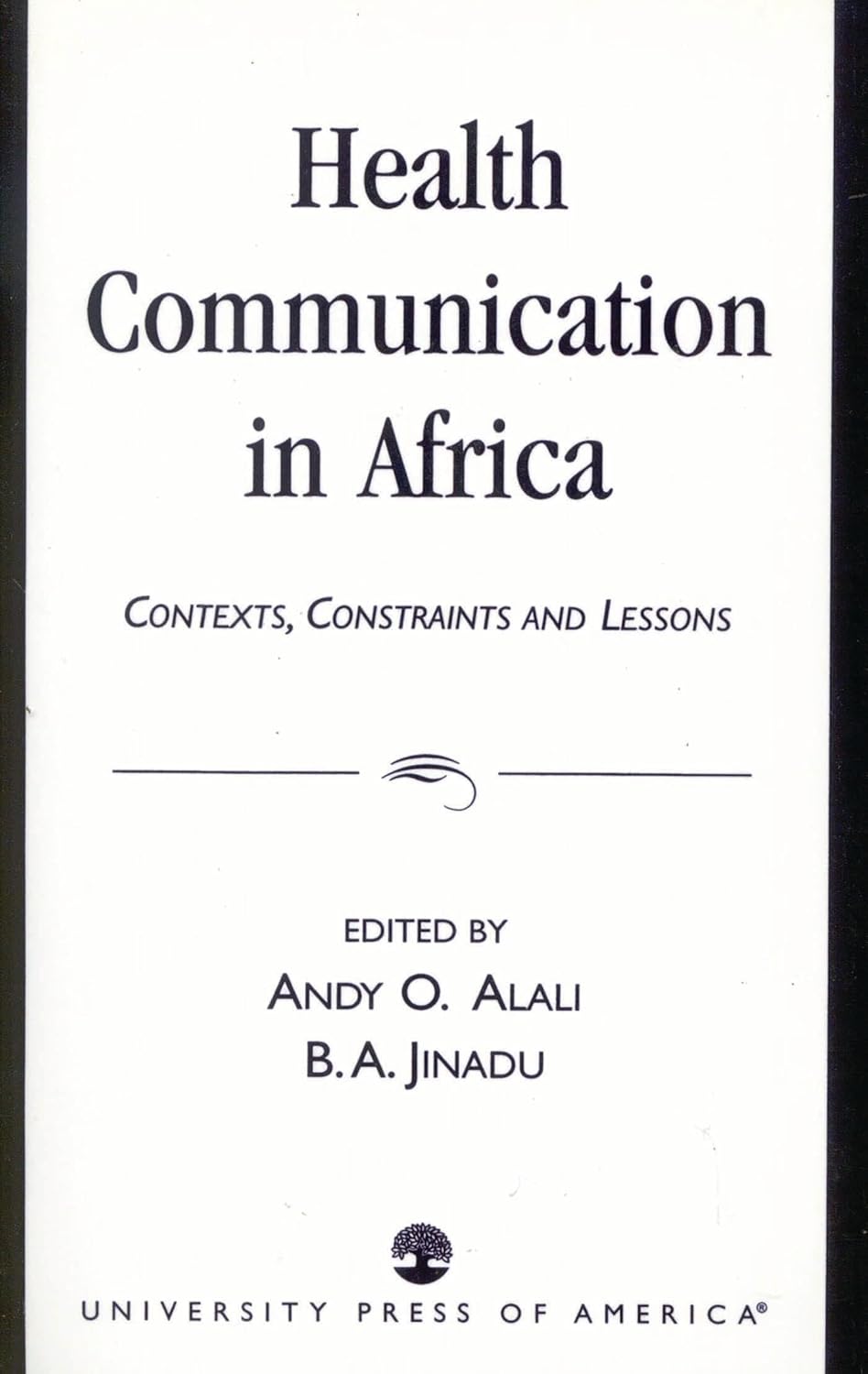
📖 Health Communication in Africa: Contexts, Constraints and Lessons, published by University Press of America in 2002, stands as a pivotal scholarly work diving into the nuanced world of public health communication on the African continent. Edited by a panel of distinguished scholars and practitioners, this 366-page volume fills a notable gap in health communication literature by rigorously exploring how health promotion programs and disease prevention strategies have evolved and been implemented within Africa’s diverse settings.
🧩 By bringing together a wide array of voices from international, national, and regional health agencies, as well as frontline communicators in refugee contexts, the book explores practical experiences and academic insights alike. This review will unravel the complexities presented in the book, assess its contributions, and consider its relevance for health professionals, policy makers, and researchers intrigued by African public health dynamics.
📋 Overview of Content and Themes
🧑⚕️ Comprehensive Scope Across Multiple Contexts
🌐 The book meticulously examines a variety of pressing topics that address both the challenges and innovations in health communication in Africa. From traditional approaches to emergent, innovative health promotion programs, it charts the development of strategies designed to prevent diseases and promote health awareness across a multiplicity of demographic and social environments.
💡 Highlighting studies on outcome evaluation and the effectiveness of communication initiatives, the editors shed light on what has worked well and what remains constrained by cultural, infrastructural, or political barriers. The inclusion of refugee settings is particularly critical, considering the heightened vulnerability and complexity of health needs in these locales.
🌍 Multilevel Perspectives: International to Regional Agencies
🏢 One of the book’s strengths lies in its ability to weave case studies and reflections from various health communication actors – international bodies such as WHO and UNICEF, national public health departments, and regional organizations that tailor strategies specific to cultural and political realities. This layered perspective provides readers with a comprehensive understanding of the interplay between global health frameworks and localized application.
🤝 Such a multifaceted approach allows for examination of cooperation dynamics, resource allocation, and policy influence in health communication, revealing the often invisible pathways through which messages travel and impact communities. It also encourages policymakers and practitioners to think critically about adapting successful campaigns to varied settings.
📝 Editorial and Scholarly Quality
👩🏫 Distinguished Contributors and Scholarship
🎓 The editors have gathered an impressive roster of experienced scholars and field professionals who bring both theoretical rigor and practical insights to the text. This mix ensures the book balances academic depth with real-world applicability, an often rare complement in public health literature.
📚 The chapters are well-structured, with clear objectives and comprehensive bibliographies that provide pathways for further research. Readers seeking both foundational knowledge and advanced study materials will find this book an invaluable resource.
🔍 Critical Evaluation and Evidence-Based Discussion
🧪 The careful inclusion of outcome evaluation studies demonstrates a commitment to evidence-based health communication. This aspect is crucial, as many health initiatives in Africa operate under resource-constrained conditions where maximizing efficacy is paramount.
📊 Through detailed case studies, the book shows how evaluations have shaped adaptations in messaging and implementation, ultimately influencing health outcomes positively. This methodical attention to “what works” provides a useful model for ongoing and future communication efforts.
💡 Insights into Practical Applications
🏥 Implemented Programs and Disease Prevention Strategies
🌱 Health Communication in Africa highlights a spectrum of implemented health programs that have targeted critical diseases and public health challenges, including HIV/AIDS, malaria, and maternal health. By documenting varying approaches—from mass media campaigns to community engagement—readers get a clear sense of the innovation and adaptability demonstrated by African health communicators.
🗣️ The emphasis on culturally relevant communication strategies stands out, acknowledging that effective health messaging requires more than translation—it demands contextual understanding and respect for local belief systems and social norms.
🛑 Addressing Constraints and Overcoming Barriers
⛔ Despite these successes, the book does not shy away from exposing the persistent constraints faced by health communicators in Africa. These include infrastructural limitations such as poor access to media channels, political instability, limited financial resources, and socio-cultural resistance to certain health messages.
🙌 By openly discussing these challenges, the book aids practitioners in anticipating obstacles and crafting more resilient strategies. The lessons gleaned emphasize the need for flexibility, community involvement, and sustainable funding models.
🎯 Target Audience and Relevance
📘 For Academics, Practitioners, and Policymakers
🏫 This volume is an essential read for academics studying global health communication, African politics, and social epidemiology. It offers critical data and a broad conceptual framework useful for teaching and research purposes.
👩💼 Similarly, health communication professionals and NGO practitioners engaged in African health programs will find practical guidelines and inspiring success stories to inform their work. Policymakers looking to design or reform public health communication efforts will gain a grounded understanding of necessary considerations and potential pitfalls.
🌍 Contributions to African Studies and Political Science
📊 With its rankings in African Politics (#3,179) and Political Science (#20,726), the book serves as a unique interdisciplinary resource linking health communication to broader socio-political dynamics in Africa. This intersection offers valuable insights into how health campaigns operate within political realities, which can be critical for effective policy formulation.
📏 Physical Characteristics and Accessibility
📚 The book is fairly compact and portable, with dimensions of 5.5 x 0.92 x 8.5 inches, weighing approximately 1 pound. These characteristics make it convenient for both field researchers and students who may need to carry it alongside other materials.
🗣️ Written in English with standard academic print length (366 pages), it strikes a thoughtful balance between comprehensive coverage and readability.
🔖 Final Thoughts and Recommendation
✅ Health Communication in Africa: Contexts, Constraints and Lessons is a well-researched, richly detailed volume that fills a critical niche in global health literature. Its combination of scholarly rigor, practical case studies, and candid discussion of challenges makes it an indispensable resource for anyone committed to improving public health outcomes across the African continent.
🔑 The book’s thoughtful exploration of communication strategies, set against the unique socio-political backdrop of Africa, provides valuable lessons that resonate beyond the region, offering models and cautionary tales alike for health communicators worldwide.
🌟 For those passionate about advancing health literacy, disease prevention, and effective public health messaging in resource-limited settings, this book is highly recommended as an insightful guide and reference.
