
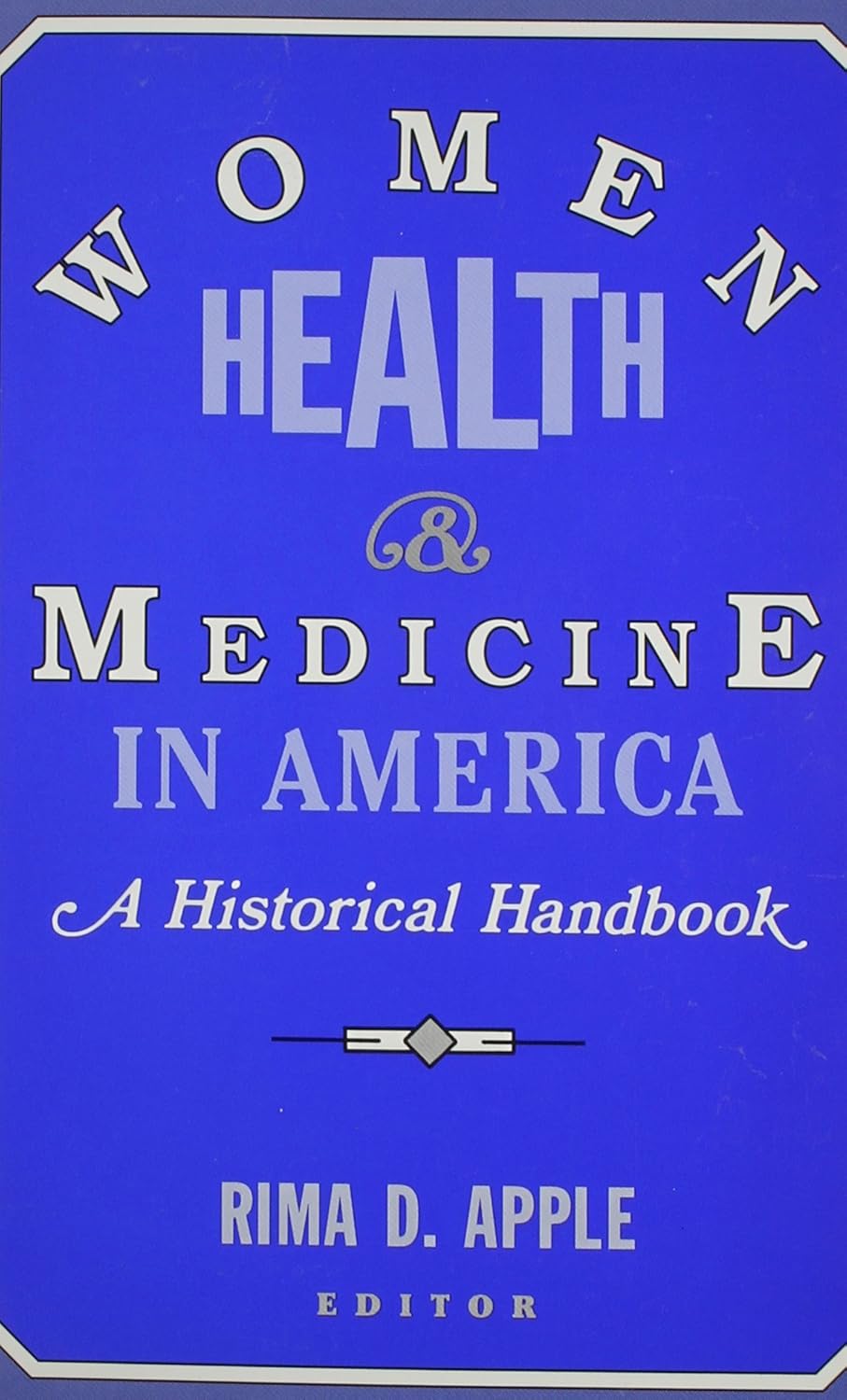
📚 Women, Health, and Medicine in America: A Historical Handbook – In-Depth Review
🔍 Overview: A Comprehensive Exploration of Women’s Health History
📖 Women, Health, and Medicine in America: A Historical Handbook presents a detailed and synthetic overview of women’s health experiences throughout American history. It offers a rich narrative crafted by multiple contributors who collectively examine the complex roles women have played in the development of medical understanding—as patients, healers, and subjects of medical research.
🩺 The volume highlights the process of medicalization, documenting how professional medicine gradually extended its authority over areas once outside its traditional domain. This theme is woven consistently throughout the text, accompanied by a broader discussion of the multifaceted factors that shape health beliefs and medical values—including ideological, social, cultural, economic, technological, and scientific influences.
⚖️ Contextualizing Medicalization and Women’s Roles
👩 Women as Multifaceted Agents in Medicine
👩⚕️ This handbook does not reduce women to passive recipients of care. Instead, it thoughtfully portrays them as both actors and reactors in medical history. Women emerge not only as patients but as essential participants in healing practices, as well as active contributors to sociological and medical discourse. This perspective marks a significant contribution to medical historiography by emphasizing agency alongside structural influences.
💡 By centering women’s voices, the authors disrupt traditional narratives that often sidelined female experiences in medicine, thereby enriching readers’ understanding of health history with a more inclusive and realistic portrayal of medical practice and social attitudes.
📈 Medicalization: Expanding the Reach of Medicine
📊 Medicalization—the extension of medical authority over previously non-medical areas—is a central theme explored throughout the book. The contributors skillfully trace how this phenomenon has impacted women’s health experiences, from reproductive rights to childbirth, mental health, and chronic conditions.
🧬 The book reveals how medical institutions, scientific advances, and professional norms redefined women’s bodies and health. It analyzes how medicalization shaped public perceptions and policies around women’s health, sometimes empowering, but often also limiting women’s autonomy.
💡 Key Themes and Insights
🌐 Interdisciplinary Approaches to Health and Medicine
🔬 This volume impressively integrates medical history with sociological, cultural, and economic perspectives, providing an interdisciplinary approach that broadens the scope of analysis. Readers gain insights into how technological innovations, scientific research, and economic pressures influenced health care delivery and women’s medical experiences across time.
🌟 The editors and contributors emphasize the importance of examining health as a socially constructed concept, constantly reshaped by evolving beliefs and values. This addition enriches the reader’s understanding of medicine beyond purely clinical or biological frames, illustrating how health and illness are influenced by larger societal forces.
🔎 Detailed Historical Narratives
📜 The book’s historical range encompasses the colonial era, the rise of modern medicine, the feminist movements, and contemporary health care systems. This extensive timeframe allows readers to perceive continuities and changes in women’s health narratives.
🏥 The 598-page large-type edition makes for an accessible but thorough read, offering detailed case studies, critical analyses, and evidence-based reflections. Readers benefit from the deep scholarship of contributors affiliated with respected academic and medical institutions.
✅ Format, Accessibility, and Practical Information
📏 Physical Attributes and Readability
📚 Published by Rutgers University Press on February 1, 1992, this edition is set in large print, enhancing accessibility for readers who benefit from easier readability. The dimensions are a comfortable 5.5 x 1.5 x 8.75 inches, weighing 1.85 pounds—making it convenient for study and reference.
🖋️ The English-language text spans nearly 600 pages, testament to the depth and breadth of its coverage. The larger print is particularly appreciated among academics, libraries, and patients interested in the historical intersections of gender and medicine who require less eye strain during extended reading sessions.
🔖 ISBN and Availability
📦 This handbook is identified by ISBN-10: 0813517664 and ISBN-13: 978-0813517667, making it easy to locate in libraries and online vendors. It resonates not only with students and scholars of history and medicine but also with anyone interested in women’s studies, medical sociology, and public health history.
🎯 Although its Best Sellers Rank suggests niche appeal—it holds rankings such as #5,685 in History of Medicine and #8,112 in General Women’s Health—it remains a valued resource within academic and specialist circles. Its position reflects the highly specialized nature of the subject, rather than its quality or comprehensiveness.
🌟 Strengths and Unique Selling Points
👥 Collective Expertise and Collaborative Scholarship
🤝 A major strength of this book lies in the diversity and caliber of its contributors. Combining voices from multiple disciplines allows the book to present a nuanced, multi-angled portrayal of women’s health history. This collaborative approach enriches the narrative quality and analytical depth, distinguishing it from single-author works.
🧠 The editors’ ability to synthesize these diverse perspectives into a cohesive volume enhances the user experience, supporting readers in navigating a complex yet vital area of study.
📊 Critical Perspective on Medicalization
⚖️ The nuanced discussion on medicalization makes this book particularly valuable for readers seeking critical insights. It not only traces medicalization historically but critically interrogates its consequences, highlighting issues of power, gender, and health autonomy.
🔎 This reflective viewpoint encourages readers to think beyond historical facts, engaging with ongoing debates about the role of medicine in society and its impact on women’s lived experiences.
⚠️ Considerations and Potential Drawbacks
📅 Publication Date and Contemporary Relevance
⏳ As this edition was published in 1992, some of its data and interpretations may not reflect the latest developments in women’s health and medicine. Readers should be aware they might need to consult more recent research to complement this volume’s historical perspective with modern insights.
📖 Nonetheless, the foundational nature of this work gives it enduring value, especially for understanding the roots and historical trajectory of medical concepts affecting women.
📈 Niche Appeal and Dense Academic Style
📚 Due to its scholarly nature and dense academic style, this handbook may not suit casual readers or those without prior interest in women’s history or medical sociology. Its best fit is undoubtedly among researchers, health professionals, and students focused on history, gender studies, or medicine.
💼 Those seeking a lighter introduction to the topic might find it challenging but will be rewarded by the rigor and comprehensive coverage it offers.
🔚 Final Verdict: An Essential Historical Resource for Women’s Health Studies
✅ Women, Health, and Medicine in America: A Historical Handbook stands as an indispensable scholarly resource for anyone invested in the historical interplay of gender, health, and medicine in the United States. It provides a robust, interdisciplinary examination based on collective expertise, enriching historical narratives with critical social context.
🌹 By foregrounding the experiences and agency of women within medical systems, this volume challenges conventional histories and invites a deeper understanding of how health and medicine evolve in relation to culture, policy, and power. While demanding in length and scope, the book offers rich rewards for committed readers and stands as a testament to the vibrant scholarship on women’s health.
📔 Whether for academic research, teaching, or personal enrichment, this handbook is a valuable addition to the library of those devoted to exploring the complex history and ongoing challenges of women’s health in America.
